Reflecting the Realities of Modern Manufacturing on Long Island
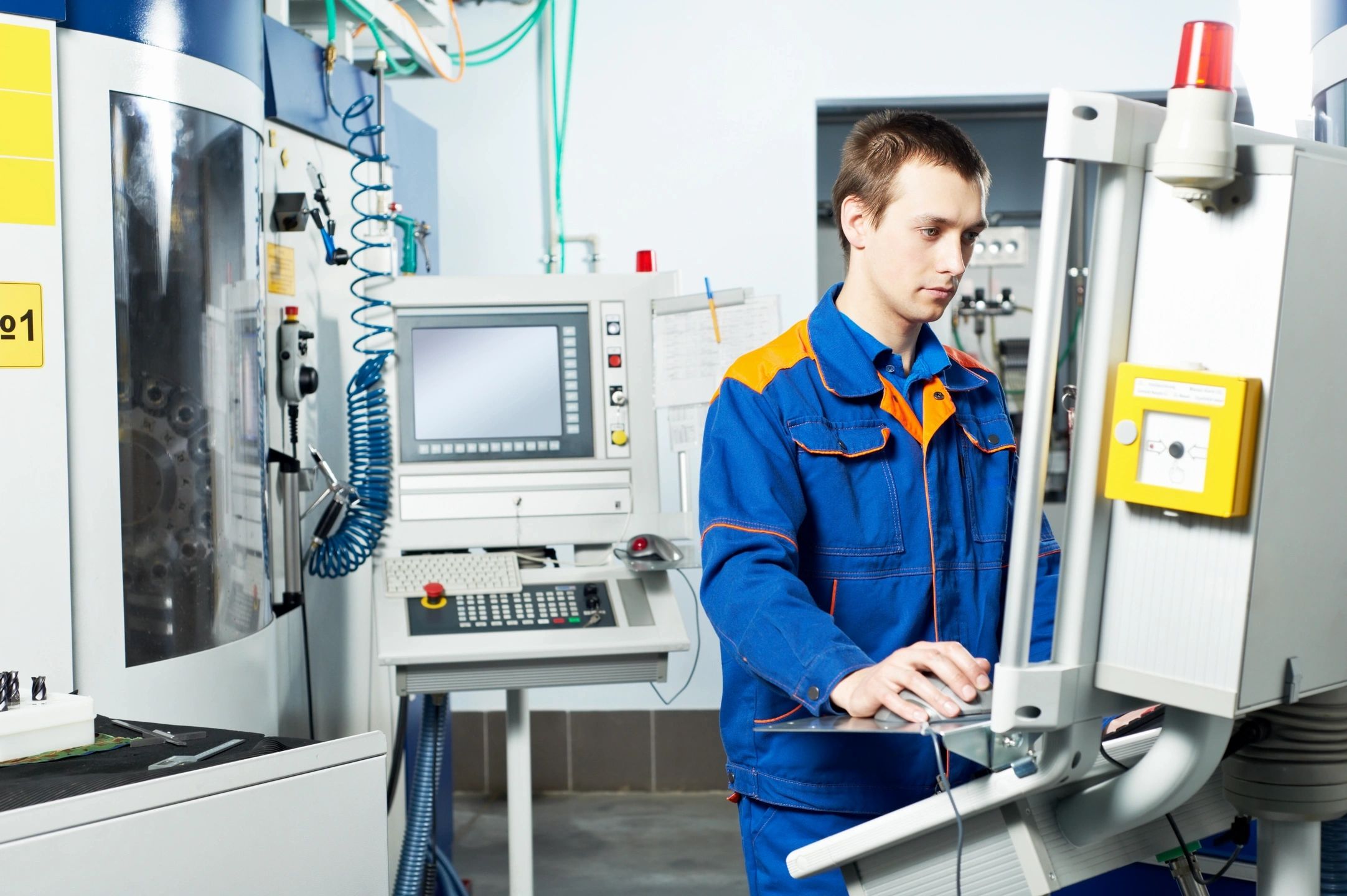
True to Long Island’s legacy, today’s manufacturers are on the cutting edge of technology and innovation. As global leaders in the production of advanced technology and everyday essential products, we saw the nation through the COVID pandemic. Therefore, Newsday’s comments in their May 2nd article titled “Which Long Island Public Companies had the Biggest Profits?” were clearly out of touch with the reality of the situation.
Long Island’s 3000 manufacturers employ a strong 70,000 workforce paying $350M in New York State payroll taxes and $5 billion in annual payroll with annual earnings close to $125 billion. What our manufacturers need is to debunk the myth that Long Island isn’t the power hub it is.
The author of the article focused on a few publicly owned manufacturers whereas Long Island predominantly consists of small to medium-sized manufacturing businesses. Without making that distinction clear to the readers, the data and thereby the conclusion of the article shows discrepancies from the actual (in the) narrative.
The dying industry image perpetuated by this article is in reality a complicated mix of baby boomers retiring, resignations exacerbated by the pandemic, and the lack of investments in the workforce. Dismissing the vibrant manufacturing sector will exacerbate negative perceptions in the minds of students and parents combined. Thereby narrowing the willing workforce in the upcoming years and running counterproductive to the work of our Industrial Development Agencies, Educational organizations, Non-profits, and government partners.
Manufacturing is alive and well today, in part, due to our partners in education, especially in the STEM fields. However, the industry needs to be a better job at reaching and marketing to the 73 million millennials getting ready for the workforce. Manufacturing isn’t longer “a dirty job” in a poorly lit factory. The image of workers glued to assembly lines and doing hours of repetitive work does not accurately represent manufacturing. But that perception has lingered, and it will continue to deter the younger generation unless shown worth wise.
Pew Research reports that 3.2 million more baby boomers retired in Q3 2020 than in 2019, and the manufacturing industry is on track to reach 2.1 million unfilled jobs by 2030. This gap in the labor force will have a detrimental effect on our domestic productivity and global leadership.
To attract the millennial generation, we need to speak their language and understand what they seek from our industry. For most, an organization’s embrace of technology and innovation is a deciding factor in choosing an employer. The millennials also desire transferable skills and access to cutting-edge technologies. There’s interest as well, 37% of millennials see manufacturing as a high-tech career. Whereas only 27% of Gen X and 23% of Baby Boomers had the same perception. The overlap of technology and manufacturing has created prestigious “new-collar” manufacturing jobs that need to be introduced to the younger generation by including them in our conversations.
The shrinking of defense manufacturing by companies like Northrup Grumman from 22,500 employees in the 1980s to 550 in 2010 does signify a detrimental decline in jobs. However, and more importantly, that talent is now able to transfer and mature in other sectors and industries. Comparing the current manufacturing environment, with its industrial diversity, advanced processes, global interconnectedness,
and family-owned focuses, to 1994 and one defense conglomerate’s dominance over the business landscape, is harmful to our region’s economic development.
The population of Long Island possesses incredible pride and commitment and just like its industries, can pivot if necessary. During the COVID pandemic, healthcare and pharmaceutical manufacturing on Long Island have seen steady growth and even ballooning of their sectors. Biotech, machining, distribution, farming, and many more industry sectors also call Long Island their home.
If the last three years have taught us anything, it’s to rely on our domestic player and Long Island is a big one. The importance of collaboration and pivoting needs to be highlighted by government-education-public-private partnerships. Specifically, areas with thriving industries need to be recognized as such.
Throughout the two counties of Nassau and Suffolk, there are 7 known and recognized industrial parks with companies’ specialization in biotech, cosmetics, pharmaceutical, nutraceutical manufacturing, and much more. The diversity and specialization of products and services of Long Island manufacturers create a strong and unique supply chain. Changing the narrative in the manufacturing story is critical to the growth and our mission to keep businesses and families here on Long Island.
By Maheen Khan and Patrick Boyle